When Convenience Undermines Security – What You’re Overlooking in Payment Security
When Convenience Undermines Secuity: An Experience with a very well-known Telecoms Payment Process


When Convenience Undermines Secuity: An Experience with a very well-known Telecoms Payment Process
If you're still relying on staff to take payments over the phone manually, it's worth asking: Is this really the most secure, efficient, or cost-effective method available?
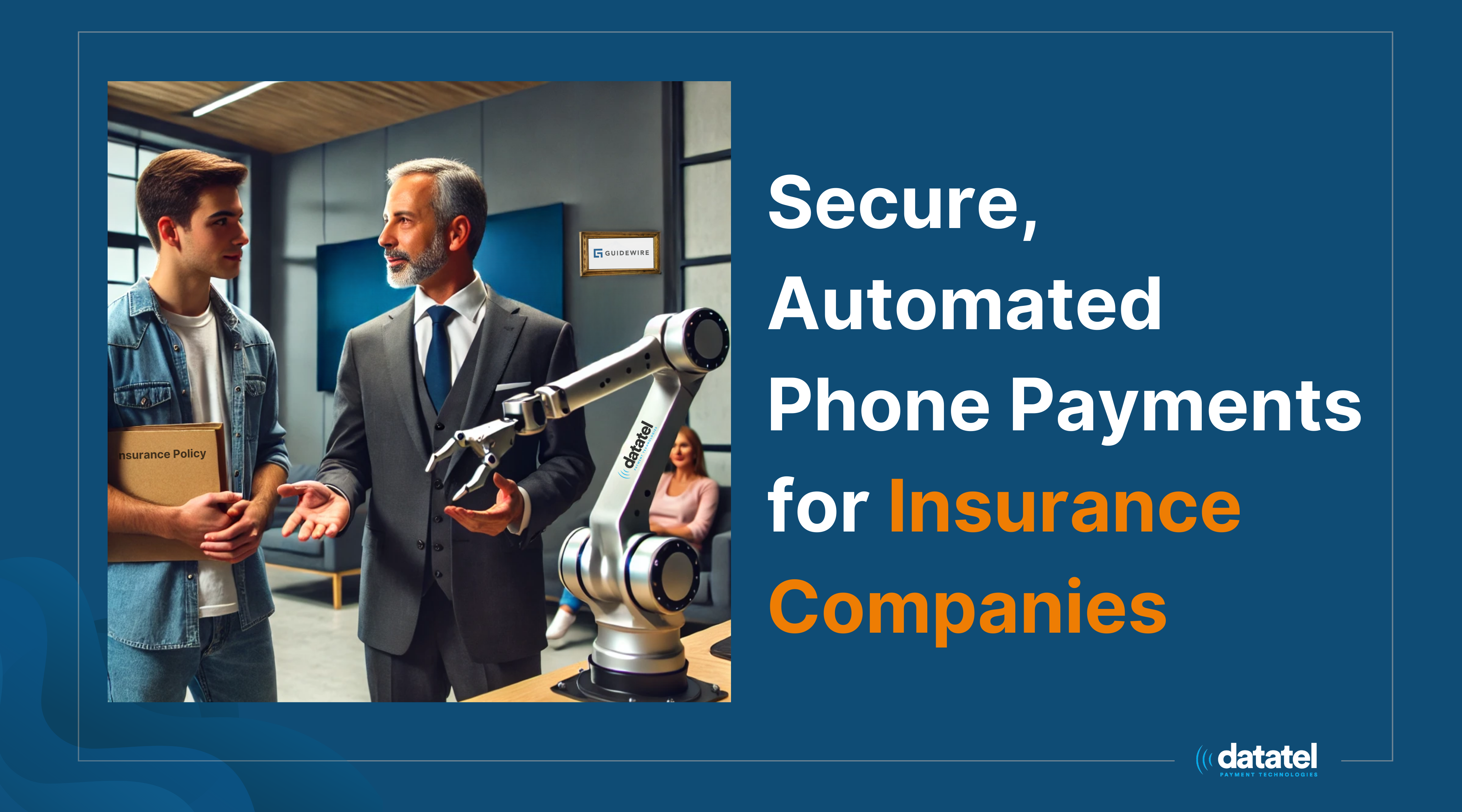
Datatel’s CryptoIVR™ IVR payments solution offers an automated and secure way for your business to handle Phone Payments, reduce your PCI scope, and enhance your customers’ card data security. When combined with the power of Guidewire, your Insurance Company will achieve rapid implementation and immediate operational benefits, making for a powerful billing platform combination.
Businesses accepting payments over the phone need a system that is secure, efficient, and easy for customers to use. Interactive Voice Response (IVR) payment solutions provide a reliable way to automate transactions while reducing security risks and ensuring compliance with Payment Card Industry (PCI) requirements. Whether an organization is implementing IVR Payments for the first time or looking to replace manual processing, IVR Payment technology offers options that fit a variety of needs.
As the digital landscape evolves, so must the approach to payments, and operators now have a unique opportunity to modernize, improve security, and enhance customer experience.
When it comes to securing payment card information, defining the PCI (Payment Card Industry) compliance scope is the first and most crucial step. Any organization that accepts credit cards must adhere to PCI guidelines, but ensuring compliance starts with understanding which people, systems, and processes interact with credit card data. In a recent podcast discussion between Bernard Crespi of Datatel Payment Technologies and Steve Porter, CEO of Secured Net, key insights were shared on defining PCI scope, avoiding scope creep, and optimizing compliance efforts.
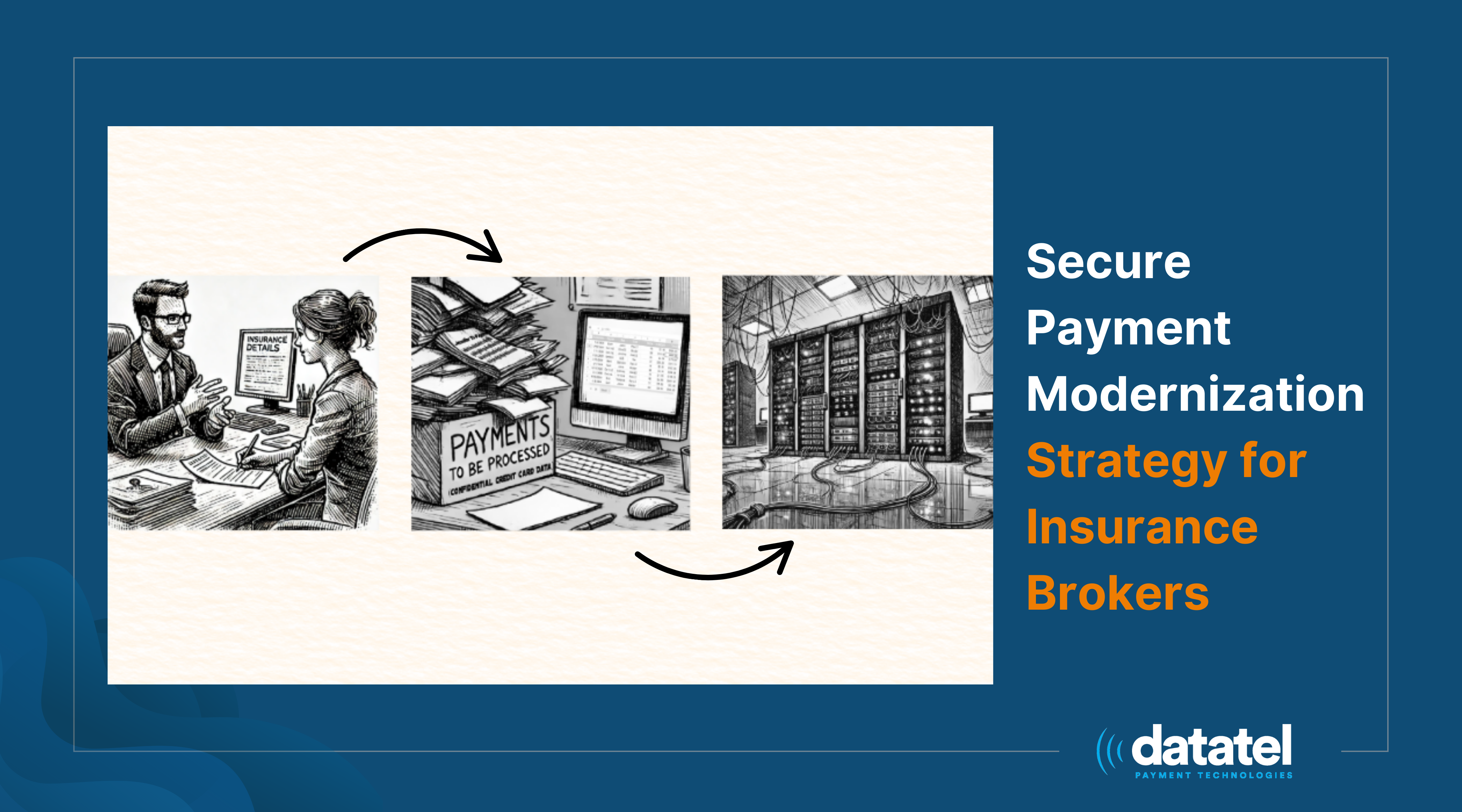
Insurance companies operate networks of independent insurance brokers who accept policy payments and store credit card details for future transactions on behalf of insurers. In many cases, brokers collect payments directly. However, with a reliance on credit card transactions, companies are recognizing the urgent need to transition away from storing and handling sensitive cardholder data internally. This shift is necessary to reduce security risks and meet PCI compliance requirements.
Handling credit card payments over the phone is a vital function of many businesses. As a customer service manager, you play a key role in ensuring these transactions are secure, efficient, and compliant with industry standards. One critical aspect you can’t overlook is PCI Compliance.
For many organizations, handling payments over the phone is just part of the process. Patients and customers call in, provide their credit card details, and staff manually enter the information. On the surface, it seems like a routine task. But when you look closer, it becomes clear that this approach is creating unnecessary costs, inefficiencies, and security risks.
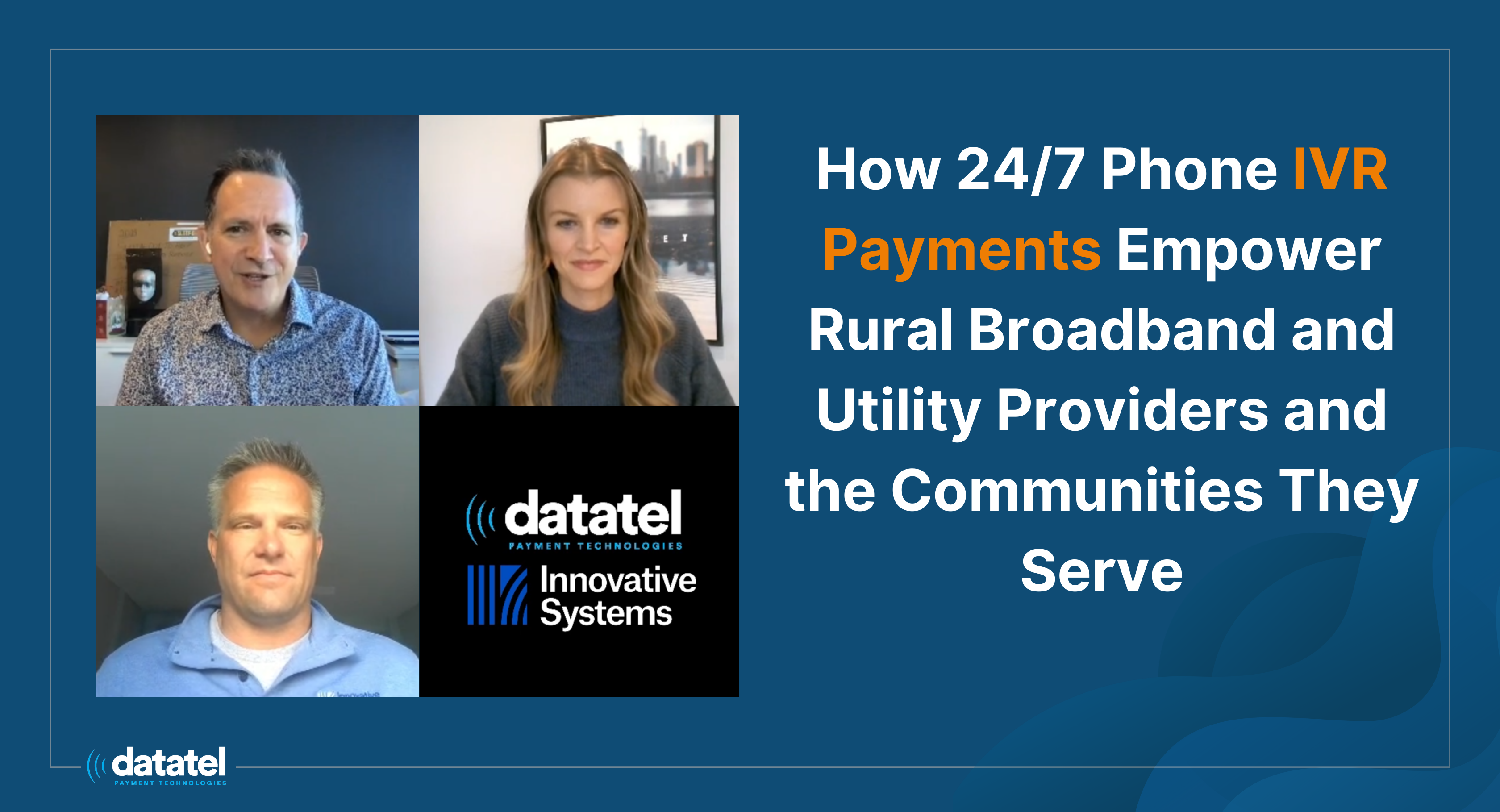
For rural broadband providers, the stakes are even higher. These companies aren’t just businesses—they’re part of the community. But when disconnect notices go out, staff get overwhelmed, call centers are slammed, and tensions rise. That’s where Datatel’s 24/7 IVR Phone payment solution comes in.